
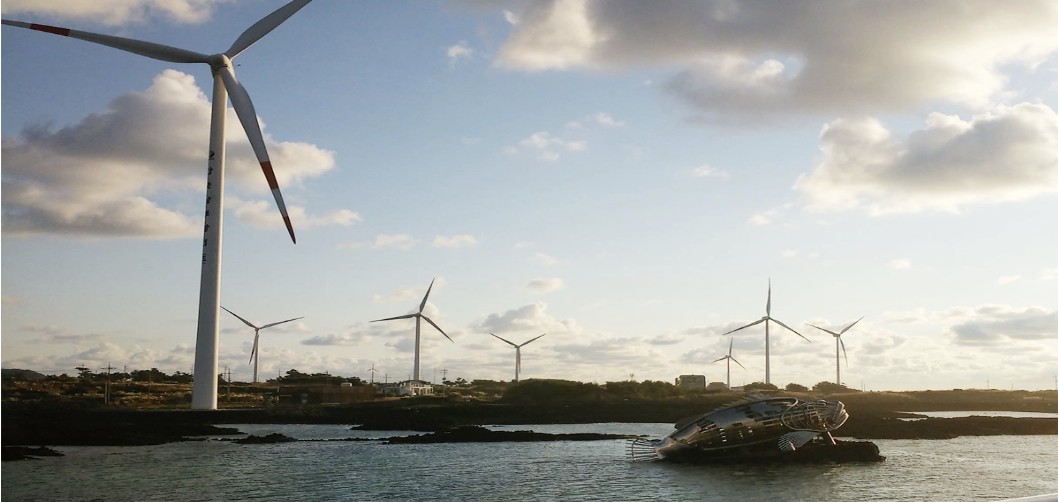
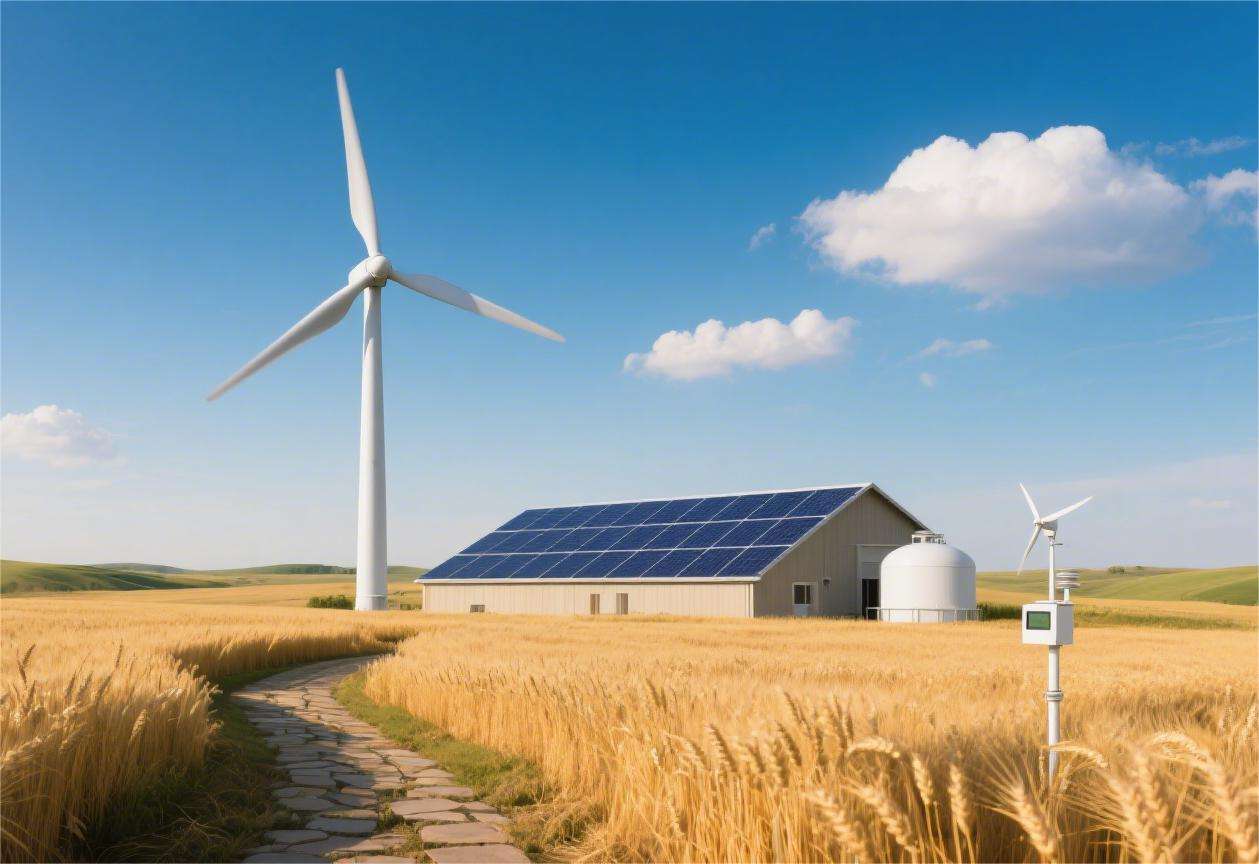
What is Distributed Wind?
Distributed wind power places turbines at or near the point of use to serve local loads; unlike utility-scale machines, it reliably powers homes, schools, farms and ranches, businesses, towns, communities, and remote sites while reducing transmission losses and easing T&D strain. GWZK was born to design distributed wind power systems. Whether you are in agriculture, tourism or family, we can provide you with exclusive customized solutions.
Features of Distributed Wind System
Sited at the load, flexible interconnection
Turbines are placed on-site and connect behind-the-meter or on the distribution side to serve local demand.
Modular and scalable
From ~1 kW to multi-MW, systems stack to match residential, agricultural, commercial, and light-industrial needs.
Grid-friendly and cost-smart
Cuts transmission losses, eases T&D loading, and strengthens local reliability—especially in microgrids.
Hybrid-ready and controllable
Seamlessly integrates with PV, battery storage, inverters, and EMS for dispatchable, measurable distributed resources.
GWZK Wind Turbine Generator
Designed for distributed power systems, GWZK's products include horizontal-axis wind turbines, vertical-axis wind turbines, controllers, and inverters.
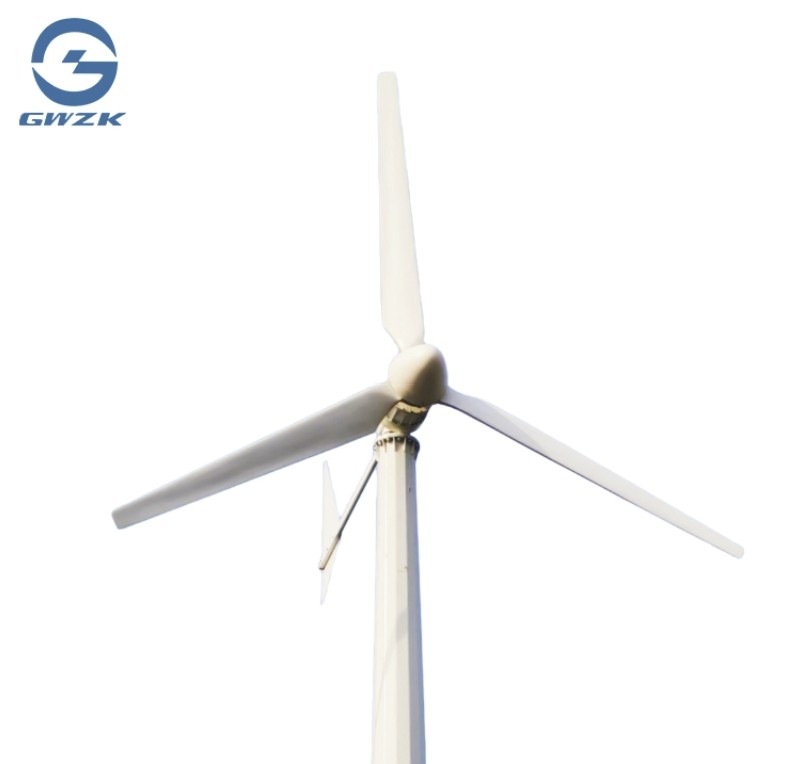
Horizontal Axis Wind Turbine
Horizontal-axis wind turbines (HAWTs) are the most common and efficient type of wind turbine. They typically have three blades and operate "upwind," meaning the blades face the wind. Their main components include: turbine blades, hub, gearbox, generator, tower, nacelle, and yaw control (which rotates the turbine in the direction of the wind).
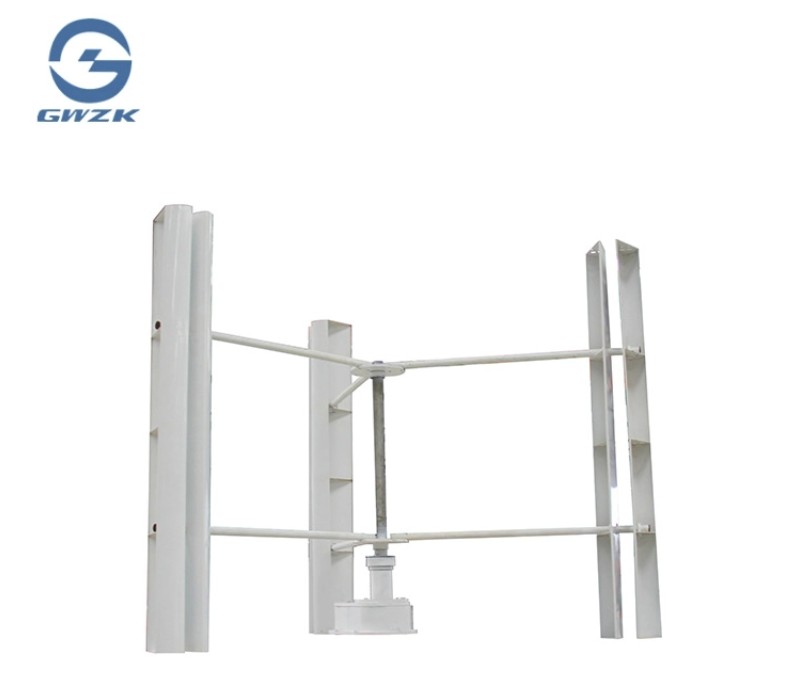
Vertical Axis Wind Turbine Generator
A vertical axis wind turbine (VAWT) has a vertical rotor axis and looks very different from a more traditional HAWT. A vertical axis wind turbine (VAWT) has a vertical rotor axis and looks very different from a more traditional HAWT. The main components of a typical VAWT are: the tower (which also serves as the rotor axis), the rotor blades, and the support structure.
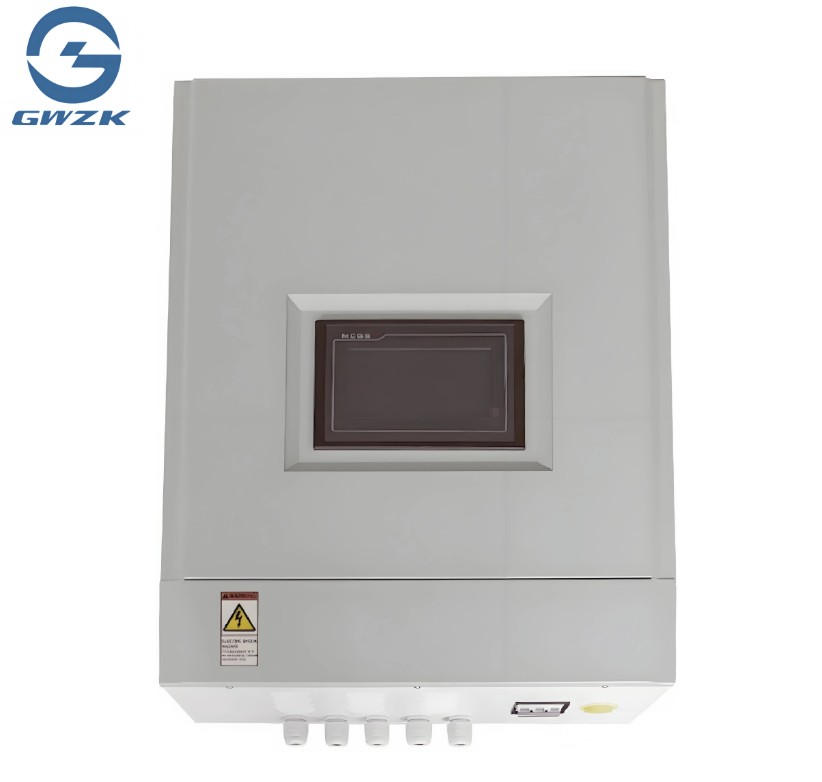
Grid-connected wind turbine generator control inverter
Grid-connected wind turbine generator control inverter is a key device in the wind power generation system. It is mainly used to convert the direct current generated by the wind turbine into three-phase alternating current and achieve grid connection with the power grid. It maximizes turbine yield with MPPT and exports grid-code-compliant power (low THD, adjustable PF, anti-islanding) for safe, efficient interconnection.
Applications of GWZK Wind Turbine Generator
Household
GWZK supplies 1–5 kW household wind kits—turbine + control inverter + batteries—for off-grid or grid-tie use, sited where annual wind is ≥3–4 m/s with >10 m hub-height clearance, integrating with PV and storage/EMS (app control) and backed by service plans for post-storm checks, periodic inspections, and 5-year blade/bearing replacement guidance.
Agriculture
GWZK supplies 1–30 kW distributed wind for agriculture and land co-use (planting & breeding), grid-tie or off-grid, sited at ≥3–4 m/s annual wind with >10 m hub-height clearance; systems integrate with PV/storage/EMS and include O&M—pre-storm braking, post-storm checks, semiannual/annual inspections, and 5-year blade/bearing replacement guidance.
Industry
At industrial sites, distributed wind ties in behind the meter or on the distribution side—interconnecting at plant voltage to serve onsite loads or support the local feeder, not the bulk grid. Right-sized from tens of kilowatts to multi-megawatts, turbines are sited at the factory to directly offset consumption, power process loads (motors, pumps, compressors), cut energy and demand charges, and provide voltage/VAR support via advanced inverter controls.
Microgrid
In a microgrid, GWZK distributed wind turbines connect to the AC/DC bus through control inverters and run under the site EMS alongside PV and batteries to serve local loads and support power quality. Our “breeze” designs generate at low wind (≈1.5–5 m/s), widening siting options, and the microgrid can island in ~100 ms on grid loss to keep critical loads online.
GEZK - One-Stop Wind Turbine Solutions
One-Stop Wind Turbine Solutions
One-stop “wind + power electronics + distribution + storage” — Horizontal/vertical turbines, controllers/inverters, switchgear & box-type substations, and energy storage delivered as integrated, customizable packages.
Quality Control
Certified quality, grid-ready, global reach — Full factory QA with CE approvals and ISO 9001 QMS; selected on the State Grid qualified supplier list; products shipped to 120+ countries.
R&D
Related Product



FAQs
Keep in Touch With Us
If you have any questions or requirements regarding solutions, please feel free to contact our customer service team.Our professional team will provide you with detailed product information, answer your questions, and tailor the best solution to meet your needs.
Mob:+86-15139463942/+86-19913309175
E-mail:Aofuni@gwzk-electric.com
Related Blogs
-
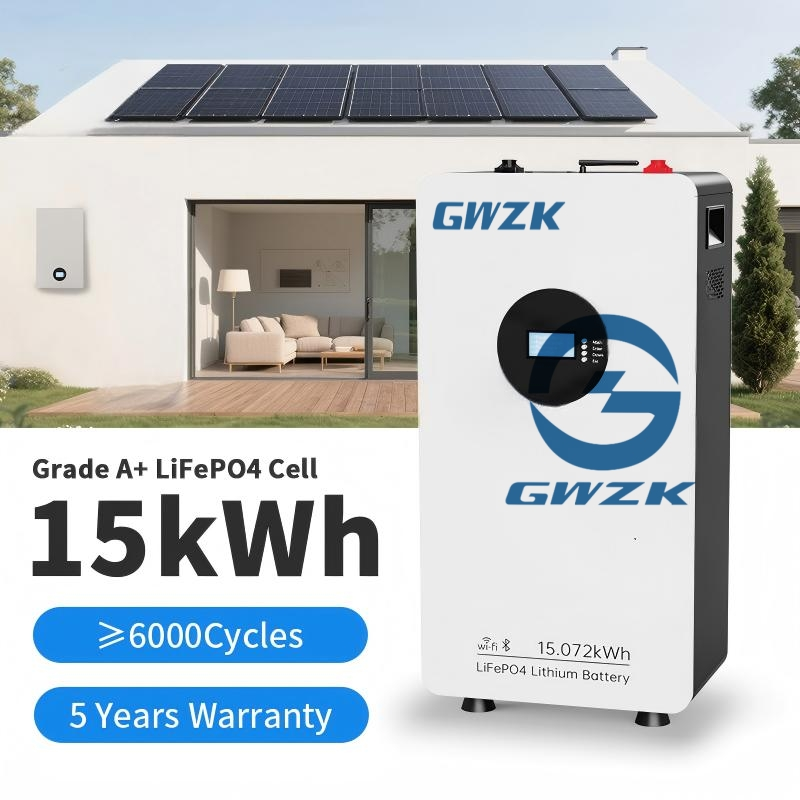 Adding wind turbines, solar panels, and batteries does not guarantee stable power. Poor sizing or weak controls can still cause outages.A reliable wind–solar–storage microgrid must balance changing generation, changing loads, and battery limits every second.
 -
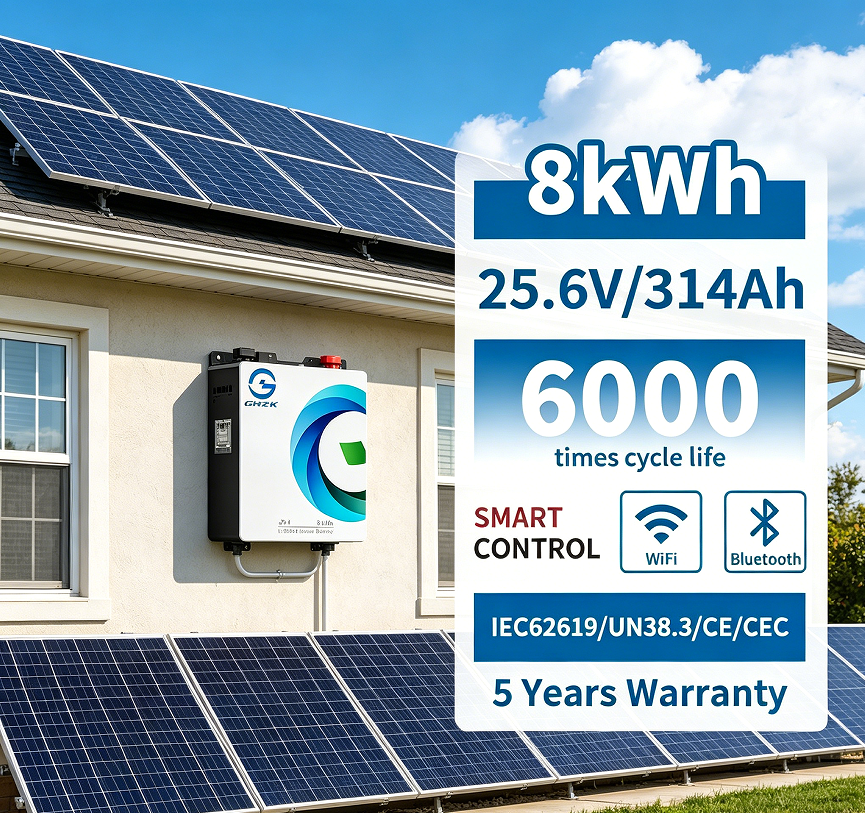 One lost efficiency point looks small until a battery cycles every day. Over years, it becomes substantial unsold energy.Grid-scale energy storage systems lose power inside batteries, converters, transformers, cooling equipment, and control processes.
 -
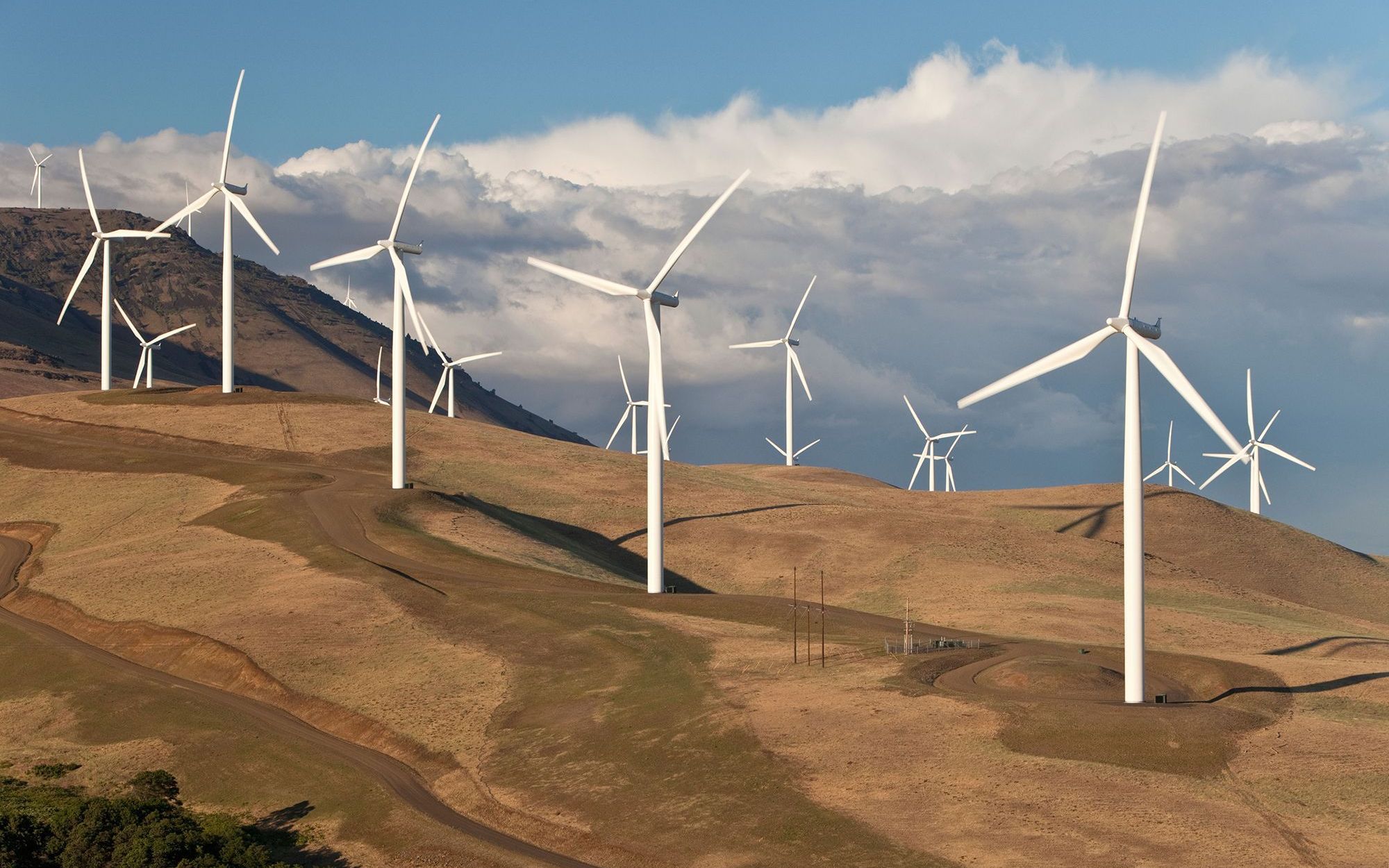 The wrong turbine can spin often yet produce disappointing electricity. Site conditions decide whether vertical or horizontal Wind Turbines perform better. Wind direction, tower height, turbulence, maintenance access, and energy demand all change the answer.
