


Views: 0 Author: Site Editor Publish Time: 2026-07-28 Origin: Site


A breaker rarely trips just to annoy you. It opens because the circuit has detected an unsafe condition.
Repeated trips can signal an overload, wiring fault, damaged appliance, or failing protection device. This guide explains the likely causes, safe checks, and lasting solutions. You will also learn when to stop troubleshooting and call a qualified electrician.
A circuit breaker monitors current and disconnects power when conditions exceed its protective limits. Its purpose is preventing overheated conductors, equipment damage, electric shock, and fire. A trip therefore confirms the protection operated, but it does not identify the cause.
Thermal-magnetic breakers usually respond differently to different faults. A prolonged overload heats a bimetal element, creating a delayed trip. A severe short circuit produces strong magnetic action, often opening the breaker almost instantly. Electronic trip units may also record overload, short-circuit, or ground-fault events for later diagnosis.
The technical definition of circuit breakers separates overloads from short circuits. That distinction matters because each condition needs a different solution. Simply resetting the handle treats neither one.
Timing offers your first useful clue. A breaker tripping after several heaters start suggests excess continuous load. A breaker that trips immediately after reset may indicate a short circuit or ground fault. One tripping only when a motor starts may be reacting to inrush current.
Record the affected circuit, connected equipment, weather, operating sequence, and time before the trip. Industrial teams should also save relay targets, event logs, current readings, and alarm histories. These details help an electrician or protection engineer reproduce the condition safely.
Never assume the breaker itself is defective first. Most repeated trips reflect a problem elsewhere in the protected circuit. However, worn mechanisms, loose terminals, incorrect settings, or internal trip-unit failures remain possible.
Home circuits commonly trip from portable heaters, cooking appliances, hair dryers, damaged cords, or moisture. Industrial feeders add motors, transformers, harmonics, switching transients, insulation aging, and coordination errors. The same symptom can therefore have very different causes.
GWZK develops smart-grid, power-distribution, and renewable-energy equipment through integrated research and manufacturing. Its quality process includes automated production and finished-product testing. This context highlights an important point: every breaker must match its system, duty, and protection plan.
An overloaded electrical circuit carries more current than its conductors and breaker should handle continuously. Common examples include several heating appliances sharing one branch circuit. In factories, overloaded feeders may follow production expansion, added motors, or an unbalanced operating schedule.
Overloads often create delayed trips because heat builds over time. The breaker may remain on when loads are disconnected, then trip after equipment restarts. Measure actual demand rather than relying only on equipment nameplates.
Motor, transformer, compressor, and power-supply startup can also produce brief inrush current. A correctly designed system should tolerate expected startup without losing protection. Persistent startup trips require load studies, setting reviews, or equipment correction by qualified personnel.
A short circuit creates an unintended low-impedance path between energized conductors. Current rises sharply, so the breaker usually opens immediately. Damaged insulation, crushed cables, loose strands, and failed equipment can cause this fault.
A ground fault sends current toward grounded metal, earth, or another unintended return path. Moisture, damaged cords, contaminated insulation, and incorrect neutral-ground connections are common contributors. These faults create serious shock and fire risks.
Arc faults can develop at loose connections or damaged conductors. The current may be irregular rather than continuously high. Specialized protective devices detect characteristic arcing patterns that ordinary overcurrent protection may miss.
A faulty appliance can trip a breaker every time it starts. Internal heating elements, motors, filters, cords, or power supplies may fail intermittently. Testing another outlet is unsafe unless the alternate circuit is correctly rated and the equipment shows no damage.
Loose electrical connections create resistance and heat. Corrosion, vibration, poor termination, and aged insulation increase that risk. Warm outlets, flickering lights, buzzing, discoloration, or burning odors demand immediate professional attention.
The breaker may also be worn, incorrectly rated, poorly connected, or unsuitable for the panel. Industrial electronic units can have incorrect pickup values, delay settings, sensor ratios, or control wiring. Replacing a breaker before finding the cause may leave the real fault active.
Do not reset anything when you smell burning, see smoke, hear arcing, or notice melted insulation. Keep people away and disconnect power only through a safe upstream control. Contact emergency services when fire or immediate danger is present.
The same caution applies when a panel feels unusually hot or produces persistent buzzing. Published Electrical Home Fire Safety include frequent breaker trips and warm or discolored outlets. Treat these signs as evidence requiring qualified inspection.
For an ordinary branch circuit without danger signs, follow a limited process:
1. Identify and unload the circuit. Switch connected appliances off, then unplug accessible devices. Note which rooms, outlets, or machines lost power. Do not remove the panel cover or touch internal components.
2. Make one controlled reset. Move the breaker fully to OFF, then return it to ON. If it trips immediately while unloaded, stop there. Hidden wiring damage, a ground fault, or a breaker problem may exist.
3. Reconnect loads separately. If the breaker remains on, reconnect one device at a time. Allow equipment to complete its normal startup cycle. A repeatable trip after one device starts points toward that device or its startup demand.
Facility teams should compare the event against approved one-line diagrams and protection studies. They may review relay records, supervisory alarms, and non-invasive meter data. Testing energized switchgear requires formal procedures, suitable protective equipment, and trained personnel.
Never hold a breaker handle closed or defeat an interlock. Never replace it using a higher ampere rating merely to stop trips. The larger device may allow conductors to overheat before protection operates.
Extension cords and power strips do not increase circuit capacity. Moving one appliance to another outlet only helps when that outlet uses a different suitable circuit. Guesswork can transfer the overload without removing it.
Breaker replacement, terminal tightening, insulation testing, and panel work expose dangerous energy. Those tasks belong to licensed electricians or authorized industrial technicians. The correct repair follows diagnosis, documentation, and applicable electrical codes.
The trip sequence often narrows the investigation quickly. Immediate tripping suggests high fault current or sensitive ground-fault protection. Delayed tripping more often suggests heat buildup from sustained loading or a loose connection.
Intermittent trips require careful records because the initiating condition may disappear. Outdoor moisture, cycling compressors, changing production loads, and vibration can create irregular events. Digital trip units and protective relays may preserve useful fault data.
Observed pattern | Likely possibilities | Safe next action |
Trips immediately after reset | Short circuit, ground fault, damaged wiring, internal breaker fault | Leave it off and request qualified testing |
Trips after several minutes | Sustained overload, heating connection, ventilation problem | Reduce load and arrange current and temperature checks |
Trips when one appliance starts | Appliance fault, motor inrush, locked rotor, damaged cord | Stop using the device and have it tested |
Trips during rain or cleaning | Moisture entry, insulation leakage, outdoor equipment fault | Isolate the area and request moisture-safe inspection |
Industrial feeder trips selectively | Downstream fault or properly coordinated protection | Review relay target, event log, and downstream equipment |
Several breakers trip together | Upstream disturbance, coordination problem, bus fault, control-power issue | Escalate immediately to the responsible electrical team |
A breaker that trips after ten minutes may look overloaded, yet a poor terminal can produce similar heating. An immediate trip may indicate a short circuit, but an incorrect instantaneous setting can behave similarly. Measurements and approved tests must confirm the diagnosis.
For residential circuits, an electrician may use load measurements, continuity checks, and insulation testing after safe isolation. Industrial teams may add primary or secondary injection, contact-resistance testing, relay analysis, and time-current curve review. Test methods must follow the breaker manufacturer’s instructions.
Document what changed before the problem started. New equipment, maintenance, storms, water leaks, construction, or protection-setting changes can explain sudden trips. Good records reduce downtime and prevent repeated trial-and-error resets.
When overload is confirmed, redistribute equipment across properly designed circuits. High-demand appliances may need dedicated circuits sized for their operating and startup current. Facilities may need feeder upgrades, load sequencing, motor-starting changes, or demand management.
Repair damaged appliances instead of repeatedly moving them between outlets. Replace worn cords, contaminated components, and failed insulation through qualified service. Correct moisture entry before returning affected equipment to operation.
Never solve tripping by changing only the breaker rating. Conductors, terminals, enclosures, equipment, interrupting capacity, and local rules determine acceptable protection. A load calculation should guide any circuit upgrade.
Preventive maintenance reduces unexplained outages. Recommended work may include visual inspection, cleaning, torque verification, mechanical operation checks, insulation assessment, and trip testing. The exact interval depends on duty, environment, manufacturer guidance, and governing standards.
Industrial systems also require selective coordination. The downstream protective device should usually clear a local fault before upstream equipment opens. Poor coordination can turn one equipment problem into a facility-wide shutdown.
Review protection settings after system expansions or major load changes. Confirm current-transformer ratios, pickup values, time delays, ground-fault logic, and communication alarms. Keep approved settings controlled and backed up.
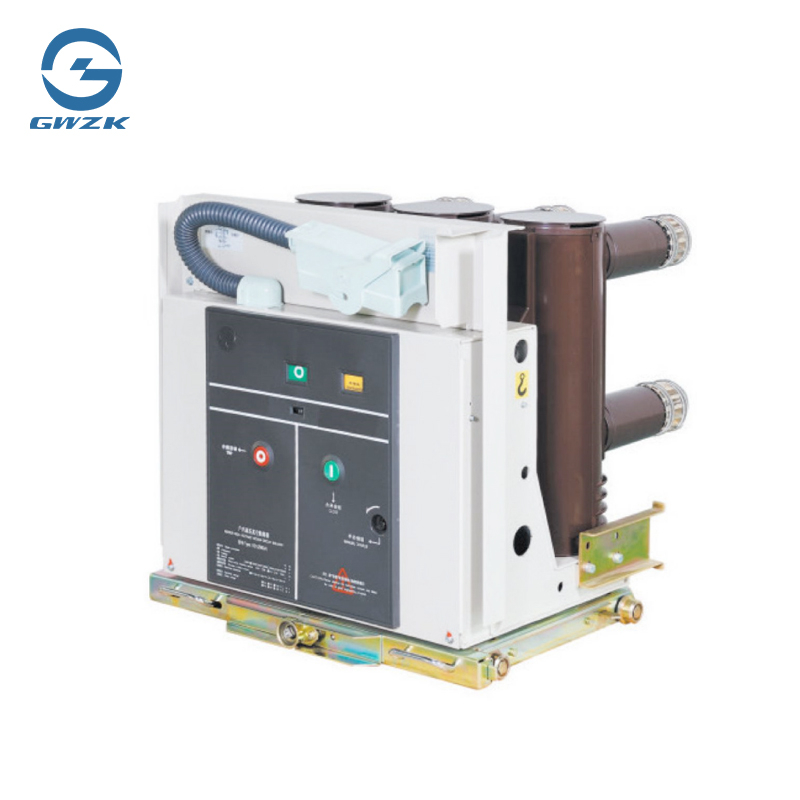
The Breaker Essential Power Protection - GWZK includes high-voltage, indoor high-voltage, and intelligent vacuum circuit breakers. Its VS1 model serves 12 kV, three-phase, 50 Hz systems requiring frequent operation or repeated fault interruption. Published options include fixed and draw-out configurations for different maintenance strategies.
Vacuum interruption supports rapid dielectric recovery after current reaches zero. However, reliable operation still depends on correct ratings, installation, control power, relay logic, and maintenance. Buyers should specify system voltage, continuous current, fault level, duty cycle, environment, and switchgear interface.
When a vacuum circuit breaker keeps tripping, technicians should examine the protection event before operating the mechanism again. The trip may be entirely correct and protecting expensive equipment. Root-cause work should connect relay evidence, electrical tests, mechanical inspection, and system conditions.
A breaker keeps tripping because it detects overload, fault current, leakage, heat, or a protection problem. Observe the timing, remove accessible loads, and make only one safe reset. Stop immediately when warning signs appear.
For engineered high-voltage protection, GWZK can help match breaker performance, switchgear integration, and operating duty to the application.
A: No. Repeated resets can re-energize a dangerous fault.
A: Suspect a short circuit, ground fault, damaged wire, or defective breaker.
A: Yes. Internal faults or excessive startup current can trip it.
A: No-load trips, heat, buzzing, damage, or failed tests are warning signs.
A: Call after repeated trips, burning odors, heat, moisture, noise, or damage.


